A restaurant opening on Freret Street sounds like news. A pool bar behind an arts and crafts house. A Basque kitchen in the spot where Ancora used to be. Something new to try on a Friday night, something for the neighborhood group chat. That is the version of the story most people tell.
Here is the version that actually holds up once you look at who is behind the counter. Sunnies and Dolfy's, the two names generating the most buzz on Freret Street this summer, were not opened by strangers testing the market. One comes from a development team already embedded in the city's hospitality investment scene. The other comes from a chef who grew up in the business his father built, working the same three blocks where he already runs a second restaurant. Freret Street's turnover right now is not outsiders discovering an up-and-coming corridor. It is insiders trading real estate with each other.
The Pool Behind the Arts and Crafts House
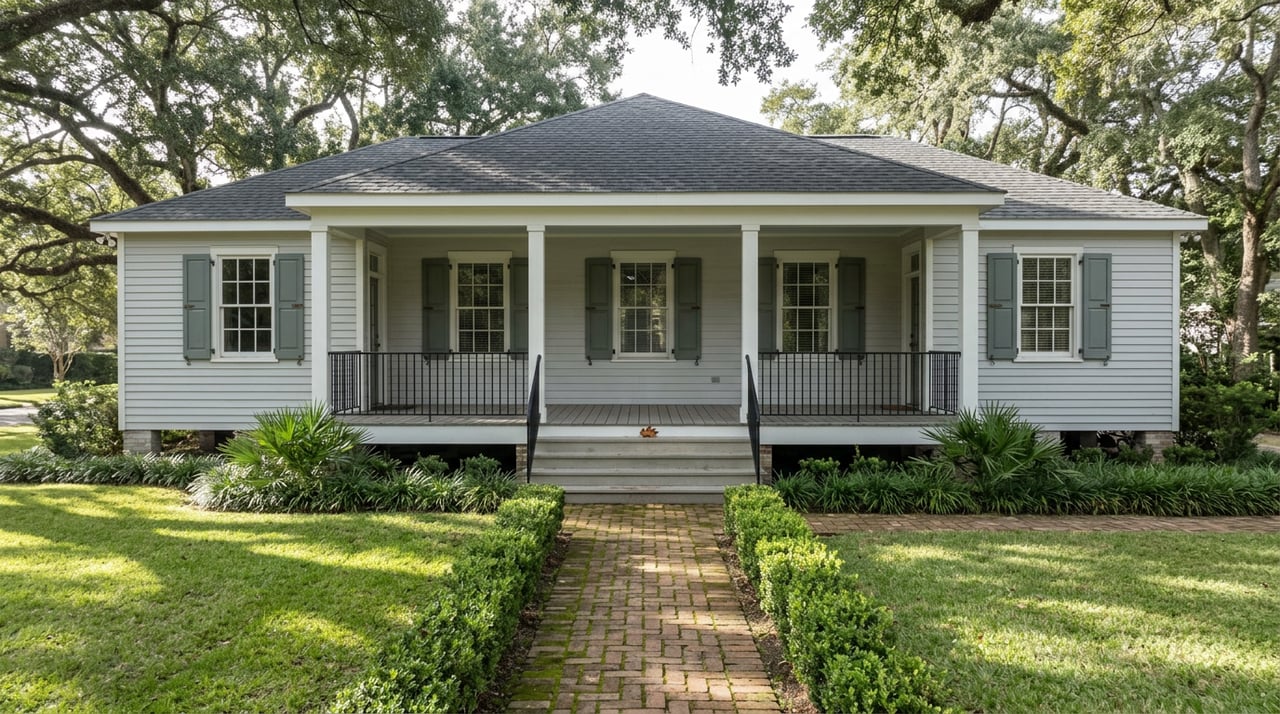
Sunnies sits at 4917 Freret Street, tucked behind a two-story arts and crafts house that most people walking past would not guess hides a 35-foot pool. The concept opened late last year as a collaboration between NOLA Capital Partners' Barret Cooper and Geoff Lewis, working alongside developer Zach Kupperman. Chef Mike Oozoonian runs the kitchen, turning out ahi crudo, lobster and shrimp rolls, and an everything bagel-crusted salmon that reads more Rockaway Beach than Uptown New Orleans. The bar leans into the same misdirection with a cocktail called holy water, a mix of French herbal liqueurs and sparkling wine that plays against the retro-chic, bright-colored decor.
None of that reads like a first-time restaurant. It reads like a group that has done this before and knew exactly which lot on Freret Street could support a concept this specific. NOLA Capital Partners did not stumble onto an empty storefront. A development team paired with an established capital partnership chose this stretch of Freret deliberately, which tells you something about how the street is valued by people whose job is evaluating commercial real estate for a living.
What Ancora Left Behind
A few blocks away, the space that used to hold Ancora, a pizza destination that shuttered in July of last year, now belongs to Dolfy's. The name is not a marketing flourish. Adolfo Garcia Jr. named the restaurant after his father, following in his footsteps as a restaurateur with a menu built around regional Spanish and Basque cooking: dry-aged beef, pinchos, bread and cured meat bar snacks, burnt Basque cheesecakes, and seafood pulled together with the kind of wood-fire technique that takes years to get right.
Garcia is not new to Freret Street. He already runs Chi-Chi's, a Korean fried chicken spot he opened with his wife Sophia Petrou in the former Windowsill Pies space, just down the block. Dolfy's is his second concept on the same short stretch of pavement, and it draws directly from his own history working at Rio Mar, the Spanish and Latin American tapas restaurant that operated in the Warehouse District for nearly fifteen years and where, by his own account, he grew up in the business. Dolfy's is not a reinvention. It is a homecoming dressed up as a new opening, staffed and conceived by someone who never needed a map of the neighborhood.
The Blocks That Don't Do Strangers
Put those two stories side by side and a pattern starts to look less like coincidence and more like how this street actually works. Freret Street's commercial spine, the stretch roughly between Jefferson and Napoleon Avenues, holds more than 30 restaurants, bars, and coffee shops packed into a corridor that was mostly boarded storefronts before 2009. The names that anchor it today read like a roster that has stayed remarkably consistent even as individual storefronts change hands:
- Cure, the cocktail bar that opened in 2009 and is widely credited with sparking the corridor's turnaround, still holds a James Beard Award for Outstanding Bar Program and a past ranking on the World's 50 Best Bars list.
- Company Burger, which brought the smash burger to New Orleans years before it became a national trend.
- High Hat Café, Dat Dog, Mint, Origami, and Vals, covering everything from Southern comfort food to Vietnamese, sushi, and tacos within a four-block radius.
- Humble Bagel and Mojo Coffee House, the two morning anchors locals build routines around.
- Midway Pizza, City Greens, and Good Bird, the lunch rotation for anyone working nearby.
What is missing from that list is turnover from national chains or out-of-town operators testing the New Orleans market for the first time. The businesses that hold the corner spots tend to be run by people already known to each other, and when a space does turn over, as it did when Ancora closed, the next occupant tends to already have a foothold two doors down. That is a meaningfully different pattern than what you see on commercial strips where landlords chase the highest bidder regardless of experience. It suggests lease terms, rents, and expectations on Freret Street are set with an eye toward operators who already understand the rhythm of the block, not newcomers hoping to manufacture it.
That matters if you live here and have watched storefronts flip before. A corridor that recycles its own talent tends to hold its character even as individual signage changes. A corridor that chases outside capital tends to homogenize fast. Freret Street, at least based on its two most recent openings, is still doing the former.
What This Looks Like on a Tuesday
None of this changes what a walk down Freret Street feels like day to day. The monthly art market still sets up near Napoleon Avenue, drawing local jewelry makers, skincare vendors, and food pop-ups for an afternoon. The Freret Street Festival still closes the corridor each spring for live music and a block party that outgrows itself a little more every year. Cure's patio still fills up on a Thursday. Humble Bagel still runs out of the good ones by mid-morning on weekends.
What has changed is the roster, and now you know why it changed the way it did. Sunnies gives the street something it did not have before, an outdoor pool scene tucked behind a house you would never suspect from the sidewalk. Dolfy's gives it a second-generation restaurant built on a family recipe book rather than a concept deck. Both openings prove the same point from different directions: the people betting on Freret Street right now already had a stake in it.
If you are already walking these blocks on a Tuesday night deciding between a bagel run and a cocktail at Cure, this is the kind of detail that makes the neighborhood feel less like a strip of storefronts and more like a small, self-reinforcing economy where reputation travels fast and spaces rarely sit empty for long. That is not a marketing pitch. It is just how this particular six blocks of Uptown keeps working.
If you are curious about what that kind of neighborhood stability actually means for property values or timing a move to this part of Uptown, that is a longer conversation, and one I am always glad to have. For now, go try the burnt Basque cheesecake. Let's Connect when you are ready to talk about what it is like to actually live here.